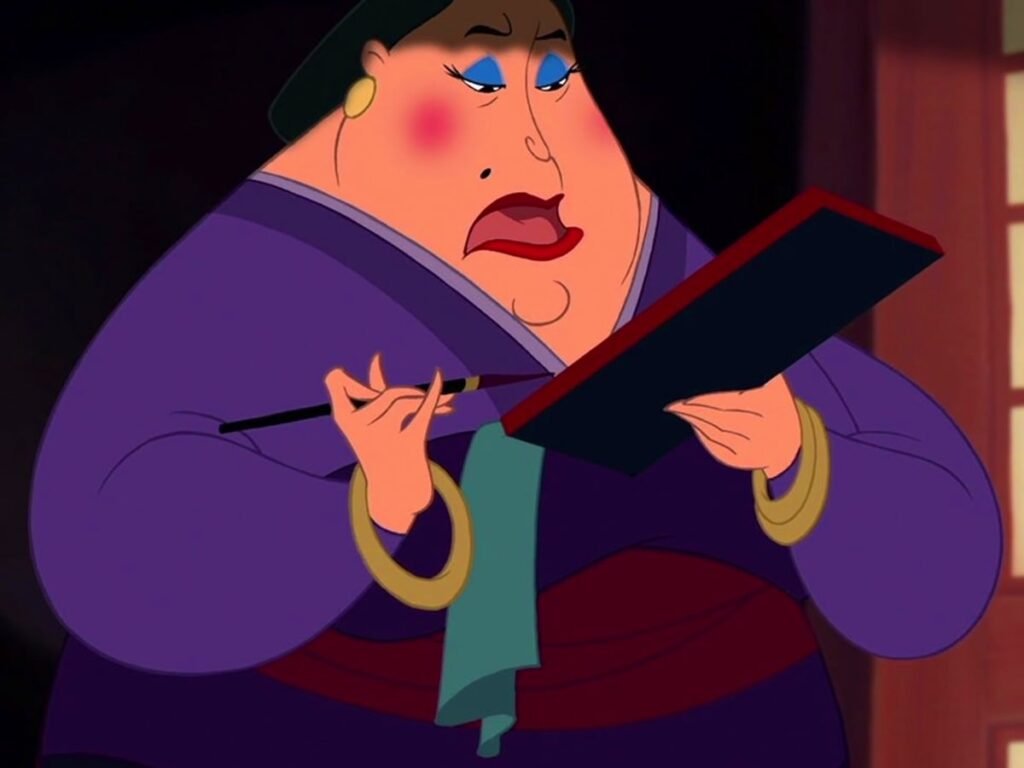
Audience Perception of Disney's "Ugly" Characters: True Impact
Walk into any Disney store, and you'll see princesses and heroes, all conventionally beautiful. Yet, dig a little deeper into the Disney vault, and you'll find a captivating counter-narrative: a rich tapestry of characters who are anything but conventionally attractive. These "ugly" characters — from villains whose appearances mirror their dark souls to heroes whose outer flaws hide golden hearts — profoundly shape audience perception and impact, teaching us far more than sparkling tiaras ever could. Disney, often seen as a purveyor of fairy tale ideals, masterfully uses these unconventional designs to convey deeper themes, challenge traditional beauty stereotypes, and highlight the invaluable truth that inner qualities trump outward appearance every single time.
It’s a fascinating paradox, isn't it? That a studio synonymous with fantasy and perfection would intentionally craft characters deemed "ugly." But this strategic choice isn't accidental; it’s a powerful narrative tool designed to embed crucial moral lessons about empathy, acceptance, and the true meaning of beauty. In this context, "ugliness" isn't just about physical attributes like a crooked nose or purple skin; it can also refer to behavioral traits like mean-heartedness, deceit, or unyielding selfishness. And what's considered "ugly" can even shift with cultural tides, making Disney's enduring commitment to these complex characters all the more significant.
At a Glance: What You'll Learn About Disney's "Ugly" Characters
- Beauty is Subjective: Disney uses diverse character designs to show that beauty standards are fluid.
- Inner Qualities Matter Most: Physical flaws or unconventional looks often mirror a character's true nature, whether good or evil.
- Villains as Moral Mirrors: Many "ugly" villains embody the ugliness of negative traits like envy, greed, or cruelty.
- Heroes Who Redefine Beauty: Characters like Quasimodo teach us to look beyond physical appearance to appreciate kindness and courage.
- Empathy and Acceptance: These characters are powerful tools for teaching children (and adults) to understand and embrace diversity.
- Actionable Lessons for Parents: How to use Disney films to spark conversations about character, empathy, and challenging stereotypes.
Why "Ugly" Sells: Disney's Strategic Embrace of the Unconventional
For decades, Disney has been refining the art of visual storytelling. While their princesses gleam with idealized beauty, their more unconventional characters — the ones we might label as ugly Disney characters — often carry the heaviest narrative weight. These characters aren't just for shock value; they are carefully crafted to serve a distinct purpose: to challenge viewers to look beyond the surface.
Think about it: in a world obsessed with outward appearances, Disney offers a compelling counter-narrative. By presenting characters whose physical attributes deviate from the norm, whether through exaggerated features, unusual coloration, or menacing silhouettes, the studio primes audiences to anticipate a deeper meaning. Sometimes, this visual "ugliness" directly reflects an inner malevolence, making the villain’s dark heart immediately apparent. Other times, it's a deceptive facade, concealing a heart of gold and challenging viewers' preconceived notions. This deliberate subversion of traditional beauty standards makes these characters not just memorable, but profoundly impactful.
A Rogues' Gallery (and a Hero's Heart): Iconic "Ugly" Characters and Their Lasting Impact
Disney’s roster of "ugly" characters is as diverse as it is unforgettable. Each one is a masterclass in character design, illustrating how physical appearance, combined with behavior, crafts a powerful message.
Ursula: The Charismatic Deceiver
With her imposing octopus tentacles, striking lavender skin, bold makeup, and a voice that booms with theatrical flair, Ursula from The Little Mermaid is physically unconventional, to say the least. Yet, it's her flamboyant personality, magnetic presence, and undeniable charisma that truly make her a legendary villain. She embodies the chilling truth that charm can mask the most dangerous intentions. Her "ugliness" isn't just external; it's the insidious way she manipulates Ariel, exploiting her dreams for selfish gain. Audiences are taught that a captivating exterior doesn't always signal trustworthiness, and true danger often lurks beneath a charming smile.
Scar: The Embodiment of Envy
The Lion King's Scar is a marvel of sinister design. His sunken eyes, gaunt frame, and dark, unkempt mane immediately signal a dark soul. This physical appearance perfectly mirrors his jealousy and deceit, creating a visual shorthand for his malevolent nature. Paired with Jeremy Irons' chilling voice and Scar’s cunning intelligence, he becomes a truly memorable antagonist. His true "ugliness," however, stems from his self-interest, envy, and betrayal of his own family, demonstrating how these corrosive emotions can warp a being from the inside out, leading to devastation and ruin.
Yzma: Ambition's Absurd Face
From The Emperor’s New Groove, Yzma is a comedic powerhouse with an undeniably unique look: a bony frame, a raspy voice, oversized eyelashes, and sharply pointed features. Her physical distinctiveness is perfectly paired with extreme ambition and impeccable comedic timing. While she makes us laugh, her true "ugliness" is revealed in her willingness to hurt others, even Pacha, for personal wealth and power. She highlights the complex nature of villains, showing that even those who provide comic relief can harbor truly malicious intent.
The Queen of Hearts: Temper's Tyrannical Rule
Alice in Wonderland's Queen of Hearts is defined by her round figure, loud voice, and infamous stormy temper. Her exaggerated features and unpredictable mood provide both comic relief and a sense of surreal chaos. Her physical appearance, particularly her imposing size, visually underscores her authority and the terror she wields. Yet, it's her emotional coldness, irrational cruelty, and penchant for executing anyone who displeases her that truly represent her bad nature, teaching us about the dangers of unchecked power and emotional volatility.
Anastasia and Drizella Tremaine: The Ugliness of Cruelty
Cinderella’s stepsisters, Anastasia and Drizella, are perhaps the most direct examples of Disney using "ugliness" to convey an inner moral failing. Their mismatched fashion, awkward movements, sour expressions, and hostile, jealous behavior paint a clear picture. They are not merely physically unattractive; their actions and attitudes are what truly make them unpleasant. Their story powerfully teaches that real beauty comes from inner qualities like kindness, grace, and compassion, and that cruelty and envy, regardless of outward appearance, make a character truly ugly.
Dr. Facilier: Charm's Deceptive Veil
The Princess and the Frog's Dr. Facilier, the Shadow Man, possesses an angular, emaciated frame and voodoo-inspired attire, creating an unsettling and mysterious presence. He is a smooth-talking trickster who wields dark voodoo magic with captivating flair. His initial charm is a deceptive facade, expertly concealing a true, malevolent evil. Facilier teaches a vital lesson: that true beauty and worth stem from one's behavior and moral compass, not from a captivating smile or a charismatic presentation. His character is a stark reminder to always look beyond the initial impression.
Maleficent: The Mistress of All Evil's Striking Form
Maleficent from Sleeping Beauty is known as the "Mistress of All Evil," and her appearance is as striking as her title. With her iconic horns, sinister black and purple robes, sharp features, and pale green skin, she is the embodiment of menacing power. Her "ugliness" is a direct representation of her profound evil, driven by wounded pride and a thirst for revenge. Her transformation into a terrifying dragon cements her as one of Disney's most powerful and terrifying figures, showing that evil can be both visually compelling and utterly destructive.
Madame Medusa: Greed's Garish Grimace
In The Rescuers, Madame Medusa’s wild orange hair, mean facial expressions, and flashy makeup reveal an instantly despicable character. Her appearance screams villainy, but her true ugliness is rooted in her insatiable greed. She prioritizes wealth above all else, even the life of a child, leading to profound moral corruption. Medusa is a potent symbol of how avarice can twist a person, making them morally ugly in a way that no amount of cosmetic enhancement can conceal.
Quasimodo: The Heart That Shines Brightest
Perhaps the most poignant example of an "ugly" character is Quasimodo from The Hunchback of Notre Dame. Despite his hunched back and facial deformities, which lead to social stigma and cruel treatment, Quasimodo possesses immense kindness, unwavering loyalty, and extraordinary courage. His journey from an isolated bell-ringer to a hero who saves Esmeralda teaches viewers one of Disney's most profound lessons: to see past physical flaws and appreciate the inner goodness, resilience, and compassion that truly define a person. He challenges audiences to question who the real monsters are in the story.
The Horned King: Power's Corrupting Visage
The Black Cauldron's Horned King is a truly frightening villain with a skeletal body, glowing red eyes, and a wicked voice that sends shivers down your spine. His physical defects are not just for show; they perfectly align with his insatiable desire for world domination using the mystical Black Cauldron. He is a terrifying illustration of how an excessive, unchecked pursuit of power can lead to utter ruin, transforming both the individual and their surroundings into something truly monstrous.
Grumpy: The Grumbling Exterior, The Generous Heart
Initially presented as the crankiest of the seven dwarfs in Snow White and the Seven Dwarfs, Grumpy lives up to his name. With his perpetual frown and a general air of discontent, his "ugliness" isn't physical deformity but rather his initial unwillingness to open up emotionally. He embodies the idea that stern exteriors can sometimes hide generous, caring spirits. Over the course of the film, his actions reveal a protective nature and a deep concern for Snow White, demonstrating that initial impressions can be misleading and true character is revealed through deeds, not just a scowl.
Beyond the Surface: The Universal Lessons These Characters Impart
The profound impact of Disney's "ugly" characters extends far beyond individual story arcs. They serve as universal archetypes, delivering timeless lessons that resonate with audiences of all ages.
Cultivating Empathy: Looking Beyond the Obvious
The very existence of these characters forces us to confront our initial biases. We are challenged to look beyond a character's outward appearance – whether it's Ursula's tentacles or Quasimodo's hunch – to understand their motivations, emotions, and the circumstances that shaped them. This exercise in observation is a direct lesson in empathy, training viewers to consider the inner world of others, fostering a crucial skill for real-life interactions. True empathy means recognizing that outward looks do not define inner beauty or worth.
Embracing Diversity: Celebrating Every Unique Form
Characters like Ursula, with her flamboyant uniqueness, or Yzma, with her distinct features, inherently teach us about the acceptance of diversity. They remind us that attractiveness isn't confined to a single, narrow definition. Disney champions the idea that uniqueness is a strength, and that beauty truly takes many forms. By showcasing a wide spectrum of appearances and personalities, these films encourage viewers to celebrate differences rather than fear or dismiss them.
Judgment Beyond Appearance: The Weight of Inner Qualities
Perhaps one of the most critical lessons is the imperative to judge others based on their inner qualities, not their superficial looks. Cinderella's stepsisters are a prime example: despite being human, their bad behavior, jealousy, and cruelty render them truly "ugly" in character. This contrast underscores that moral ugliness—things like selfishness, deceit, and malice—is far more detrimental than any physical imperfection. What you do and who you are inside hold far more weight than what you look like.
The Courage to Be Different: Authenticity Over Conformity
While villains like Scar exemplify how envy and betrayal lead to devastating negative outcomes, a character like Quasimodo teaches the profound importance of self-love and staying true to oneself. Despite facing relentless societal judgment and cruelty for his appearance, Quasimodo's inherent goodness and resilience shine through. His story inspires viewers to find courage in their own uniqueness and to embrace their authentic selves, rather than succumbing to group opinions or societal pressures to conform. It's a powerful message: being different is not a flaw; it's an opportunity to embody strength and kindness.
From Screen to Scene: Guiding Your Children Through Disney's Deeper Meanings
As parents, you have a unique opportunity to use Disney's "ugly" characters as springboards for essential life lessons. These films aren't just entertainment; they're powerful teaching tools.
- Spark Open Discussions: After watching a movie featuring characters like Quasimodo or the Tremaine stepsisters, don't let the credits roll without a conversation. Ask your children questions like, "Who did you think was truly kind in this movie?" or "What made [character] seem mean?" Guide them to articulate their thoughts, encouraging them to look beyond physical appearances and explore character motivations.
- Actively Reframe Beauty: Take the opportunity to explain that true beauty isn't about physical appearance. Use both fictional examples from the films and real-life scenarios (without judging others) to emphasize the importance of kindness, honesty, and courage over looks. Talk about people they admire and why, focusing on their character traits.
- Encourage Empathy Through Play: Role-playing can be a fantastic tool. Suggest scenarios from the movie or create new ones where your child has to imagine being a character like Quasimodo or even one of the stepsisters. How would they feel? What would they do differently? This helps children understand different perspectives and emotions, building their capacity for empathy.
- Celebrate the Spectrum of Diversity: Intentionally expose your children to books, movies, and real-life experiences that showcase a wide variety of personalities and appearances. The more they encounter and understand differences, the more likely they are to foster respect and prevent fear or mockery of those who look or act differently. Point out the unique strengths and beauty in all kinds of people.
- Be the Role Model: Children are incredible imitators. The most powerful lesson you can offer is to demonstrate empathy, respect, and non-judgment in all your personal interactions. When you speak kindly of others, appreciate unique qualities, and look for the good in people, your children absorb these lessons far more effectively than any lecture could convey.
The Lasting Resonance: Why Disney's "Ugly" Characters Endure
The enduring power of Disney's "ugly" characters lies in their ability to resonate on a deeper, more meaningful level than their conventionally attractive counterparts. They are a testament to the idea that true character is forged in the crucible of inner qualities, not on the canvas of physical perfection.
These characters force us to confront our own biases, challenge societal norms, and ultimately, grow in our capacity for understanding and compassion. They are not merely villains to be booed or heroes to be pitied; they are complex figures who enrich our understanding of morality, diversity, and the ever-evolving nature of beauty itself. As long as these stories continue to be told, Disney's "ugly" characters will continue to shape generations, reminding us that sometimes, the most beautiful lessons come from the most unexpected places.