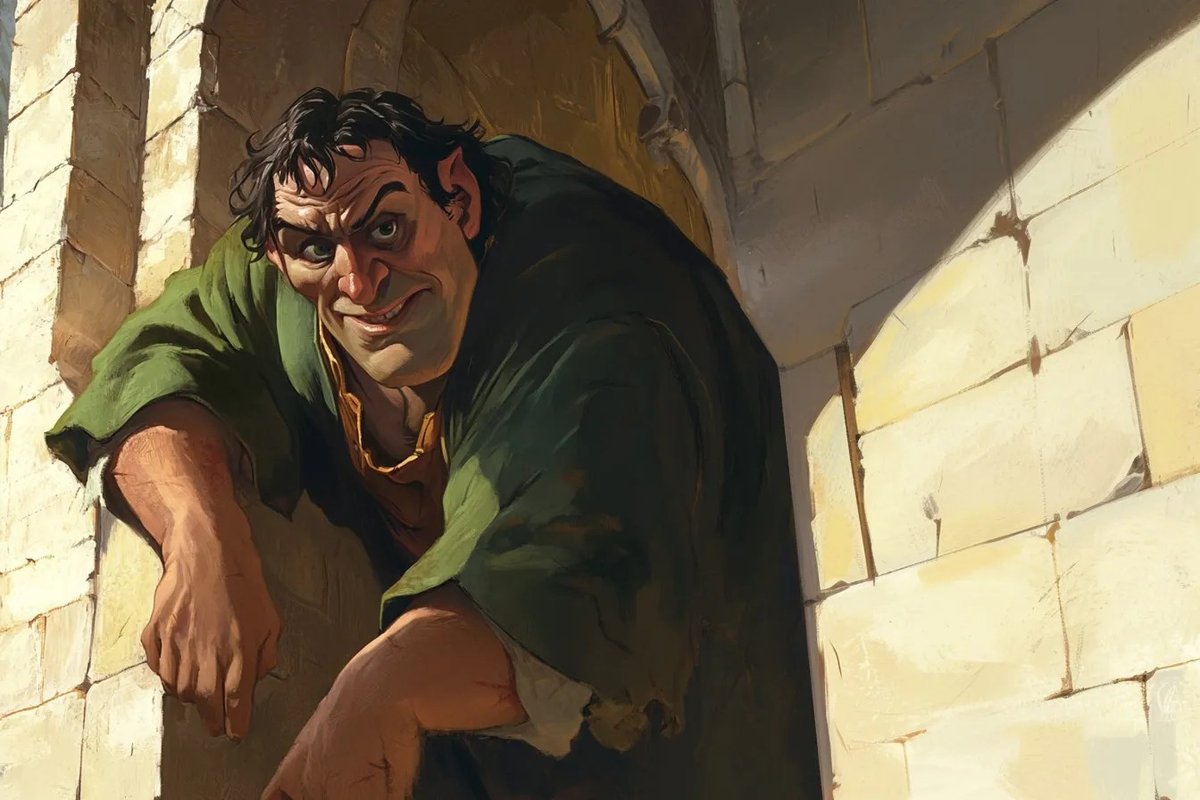
When we talk about 'ugly' in Disney character design and aesthetics, it's rarely an accident. In fact, it's a masterclass in intentionality—a deliberate brushstroke designed not to repel, but to compel. For decades, Disney animators have leveraged dramatic, exaggerated, and sometimes unsettling features to create characters that are not just memorable, but essential to the storytelling itself. This isn't about conventional beauty standards; it's about visual shorthand, personality amplification, and ensuring every character earns their place in our minds, whether they’re enchanting or utterly grotesque.
At a Glance: Disney’s Intentional Ugly
- "Ugly" is a Design Choice: It’s a deliberate artistic decision, not a flaw.
- Storytelling First: Character appearance serves the narrative, revealing personality, morality, or comedic intent.
- Beyond Aesthetics: Exaggerated features, bold silhouettes, and distinct faces make characters iconic.
- Impact Over Beauty: Memorable "ugly" designs often stick with us more than conventionally attractive ones.
- Purposeful Deformity: Whether monstrous, comedic, or tragically flawed, the design communicates a deeper truth.
The Art of the Unconventional: Why Disney Designs "Ugly"
In the vibrant world of animation, every line, curve, and shadow serves a purpose. When Disney decides a character should be "ugly" or aggressively hard to look at, it's a testament to sophisticated visual storytelling. This approach isn't about shaming or judging; it's about crafting distinct personalities that leap off the screen.
Think about it: an aggressively plain or conventionally unattractive design immediately demands attention. It signals that there's more beneath the surface, inviting us to look closer and uncover their true nature. The goal isn't necessarily to make you recoil in disgust, but to make you notice and remember. These characters often feature dramatic, exaggerated, and even unsettling elements—bold silhouettes, distinct faces, and a look that perfectly encapsulates their role in the plot.
Ultimately, in this artistic realm, personality, voice acting, and an overall vibe are far more crucial than conforming to typical beauty standards. The "ugly" character often carries the narrative weight, embodying moral complexity, comedic relief, or outright villainy in a way that a conventionally beautiful design simply couldn't.
Villains: The Visage of Malice and Mayhem
Perhaps no category leans into intentional "ugliness" more effectively than Disney villains. Their designs often mirror their twisted intentions, creating an immediate visual cue for the audience.
- Ursula (The Little Mermaid): From her broad, theatrical shoulders to her octopus tentacles, Ursula is designed to look like trouble. She embodies a stylish, powerful female villain archetype, exuding a confident, almost grotesque glamour that screams danger. Her very form, inspired by drag queens, suggests an unnatural allure and a formidable, shapeshifting power.
- Maleficent (Sleeping Beauty): Maleficent's design is all sharp angles, towering horns, and an instantly recognizable silhouette that evokes both elegance and menace. Her "ugliness" isn't a lack of beauty, but a severe, striking presence that fits her morally complex and formidable nature. She's less conventionally "ugly" and more terrifyingly beautiful in her evil.
- Jafar (Aladdin): Jafar's lean, angular frame, sharp nose, and predatory smirk make his "ugly" intimidating and sly. He's built from angles, not curves, conveying an inherent untrustworthiness. He's a stylish yet undeniably villainous figure, whose sharp features hint at the snake he eventually becomes.
- Dr. Facilier (The Princess and the Frog): The Shadow Man’s design is long, thin, and almost skeletal, conveying trouble without relying on pure gross-out aesthetics. His features are sharp, his movements fluid and unsettling, embodying a charismatic yet deeply malevolent presence. He personifies the smooth danger of a con artist dealing in dark magic.
- Scar (The Lion King): Scar's design is a blueprint for the "jealous rival villain." His gaunt frame, narrow, cunning eyes, perpetually slouched posture, and of course, the namesake scar itself, all support a personality steeped in envy and deceit. His physical form communicates his internal corruption, making him appear weak and predatory simultaneously.
- Cruella De Vil (101 Dalmatians): Cruella's dramatic, angular look, wild hair, and over-the-top fashion belie an underlying ugliness rooted in her obsession. Her physical appearance is a caricature of vanity and cruelty, suggesting a warped sense of self and an insatiable desire. This dramatic "ugly" ironically contributes to her reputation as a somewhat "dumb Disney villain" because her plans are so unsubtle and driven by shallow desires.
- Madame Medusa (The Rescuers): Medusa's ugliness stems almost entirely from her personality. Her exaggerated makeup, gaudy clothes, and perpetually annoyed expression mask truly bad intentions with a seemingly sophisticated, albeit brittle, facade. Her design visually screams desperation and superficiality, making her inner depravity even more jarring.
- The Horned King (The Black Cauldron): For darker Disney content, the Horned King embodies pure monster ugly. He is skeletal, undead, and menacing—a terrifying figure that pushes the boundaries of traditional Disney villain design towards genuine horror. His appearance perfectly suits the grim, perilous world of The Black Cauldron.
- Alameda Slim (Home on the Range): This villain possesses an intentionally unpleasant design. His oily charm, exaggerated features, and cartoonish sliminess immediately signal untrustworthiness and villainy, creating a character that is visually repulsive in a comedic, yet effective, way.
The Comedic & The Quirky: Ugliness with a Purposeful Wink
Not all "ugly" characters are villains. Many serve to add humor, groundedness, or unique texture to the story, often becoming fan favorites precisely because of their unconventional looks.
- Yzma (The Emperor's New Groove): Yzma is theatrically ugly—skeletal, sharp, and intensely expressive. Her design is a masterclass in caricature, making her instantly hilarious and memorable. Her "ugliness" is part of her larger-than-life personality, perfectly complementing her outlandish plans and egocentric nature.
- The Queen of Hearts (Alice in Wonderland): Her exaggerated design, from her enormous head to her plump body, highlights her "power + insecurity" as a villain. She's both funny and genuinely threatening, her physical form emphasizing her childish petulance and tyrannical capriciousness.
- LeFou (Beauty and the Beast): Often described as "funny looking," LeFou serves primarily for comedic effect. He's the archetypal cartoon sidekick whose exaggerated features and bumbling demeanor illustrate how "ugly" can serve a moral or purely comedic purpose before being purely physical. His design amplifies Gaston's vanity by contrast.
- Roz (Monsters, Inc.): Roz represents "office ugly"—a character personifying paperwork, compliance, and bureaucratic tedium. Her heavy-lidded eyes, slow movements, and gruff voice make her iconic without being a classic villain. Her "ugliness" is a playful take on the mundane and the unapproachable, turning her into a memorable comic relief.
- The Fates (Hercules): These three unsettling figures embody mythological destiny transformed into a horror joke. Their single shared eye, gnarled features, and thread-cutting shears are intentionally grotesque, making them both creepy and comically absurd, reflecting their detached power over life and death.
The Morally Complex & Emotive: Ugliness as a Mirror
Sometimes, a character's "ugliness" is a narrative device, designed to evoke empathy, highlight social injustice, or challenge our perceptions of beauty.
- Quasimodo (The Hunchback of Notre Dame): Quasimodo's "ugly" serves a profound purpose: to highlight the cruelty of others and the prejudice of society within the story. His physical deformities are contrasted with his pure heart, creating immense emotional depth and forcing the audience to confront their own biases. He is perhaps the most empathetic "ugly" character Disney has ever created.
- Phil (Hercules): Philoctetes, or Phil, is an example of an unattractive character made lovable through sheer personality and gruff charm. His goat-like features, short stature, and cynical demeanor are far from conventionally handsome, yet his dedication, wisdom, and underlying good nature quickly make him a beloved mentor figure. His physical traits become part of his unique appeal.
The Craft Behind the Unattractive: How Disney Does It
Creating compelling "ugly" characters isn't about drawing badly; it's about highly skilled, intentional design. Animators meticulously consider:
- Exaggeration: Features are pushed to extremes—oversized noses, tiny eyes, disproportionate bodies. This creates a caricature that is instantly readable and often memorable.
- Silhouette: A character's silhouette should be recognizable even without internal detail. Distinct "ugly" characters often have strong, unique silhouettes (Maleficent's horns, Ursula's tentacles).
- Color and Texture: Dull, sickly, or jarring color palettes, or textures that evoke sliminess, roughness, or unnatural smoothness, can contribute to an "ugly" aesthetic.
- Expression and Posture: The way a character holds themselves or expresses emotions can drastically alter how their "ugliness" is perceived. Slumped shoulders, shifty eyes, or a perpetual sneer amplify their negative traits.
- Contrast: Placing an "ugly" character next to a beautiful one can heighten the impact of both, making the "ugly" seem even more pronounced and the beautiful even more ethereal.
This intentional approach ensures that every character, no matter how outwardly unappealing, contributes meaningfully to the overall narrative tapestry. For a closer look at these distinct characters and many others, check out our guide to ugly Disney characters.
Beyond the Surface: The Deeper Meaning of Design
Defining "ugly" in Disney isn't just about physical appearance. It's about what that appearance communicates. It's a powerful tool in the animator's arsenal, allowing them to:
- Establish Morality: Good characters are rarely truly "ugly" on the inside, even if they're unconventional on the outside. Villains, however, often have their inner corruption reflected externally.
- Enhance Memorability: A unique, even unsettling, design often makes a character more unforgettable than a generically attractive one.
- Drive Plot and Conflict: Quasimodo's physical difference is central to his story of prejudice and acceptance.
- Provide Comic Relief: Exaggerated "ugly" features can make characters inherently funny.
The genius lies in the subtlety and purpose behind each choice. What might seem like a simple visual decision is, in fact, a deeply considered aspect of character development.
The Enduring Appeal of the Unconventional
So, what does it all mean for us, the audience? It means that true character design goes far beyond superficial beauty. Disney's approach to "ugly" characters reminds us that the most compelling figures are those who embody their roles fully, flaws and all. They challenge us to look past initial impressions and delve into the heart of the story.
The next time you encounter a character that makes you squint, chuckle, or even flinch, consider the intentionality behind that design. Ask yourself: What is this character's "ugliness" trying to tell me? How does it serve their personality, their role, or the overarching theme? You'll likely find that what appears unconventional on the surface is, in fact, a beautifully crafted piece of visual storytelling, designed to deepen your connection to the magic unfolding on screen.