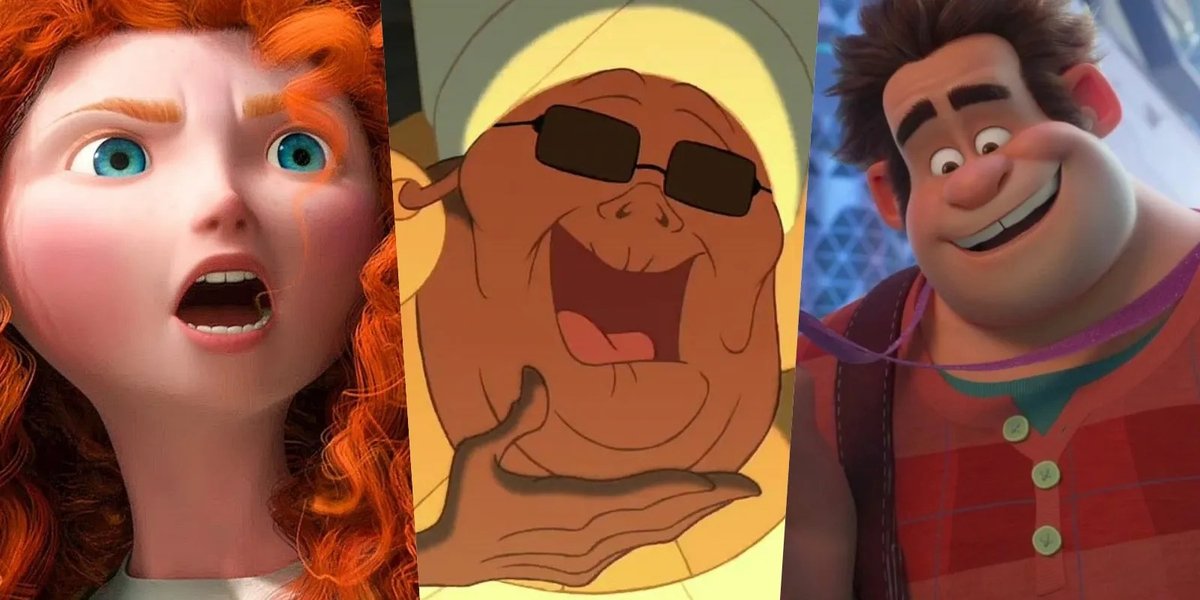
In the whimsical world of Disney, beauty often takes center stage, but sometimes, it’s the unconventional, the peculiar, or even the downright "ugly" characters who truly capture our hearts. These memorable figures, from menacing villains to misunderstood heroes, are intentionally crafted to stand out, proving that personality, voice acting, and overall vibe often matter far more than conventional good looks. They challenge our perceptions and enrich the stories they inhabit, becoming iconic in their own right.
From the snarling Scar to the lovable Quasimodo, Disney's designers use unique aesthetics not just for shock value, but to build complex characters that resonate deeply with audiences of all ages. Their "ugliness" isn't a flaw; it's a deliberate choice, a powerful tool in storytelling.
The Art of Intentional Imperfection: Defining Disney's Distinct Looks
When we talk about "ugly" characters in Disney, it's rarely about poor design. Instead, it's about a purposeful artistic choice to create distinct, often exaggerated features that convey character traits, emotions, and roles. Think of the skeletal, angular menace of the Horned King from The Black Cauldron, with his green rotting flesh, or the predatory sharp angles of Jafar from Aladdin. These designs aren't accidental; they're meticulously planned to evoke specific reactions.
It's fascinating to delve into the artistic choices that make these characters so impactful. To really understand the deliberate strategy behind these designs, you'll want to check out our deep dive into Defining Disneys ugly characters.
Villains Who Wear Their Wickedness on Their Sleeves
No discussion of "ugly" Disney characters would be complete without acknowledging the formidable villains whose appearances often mirror their malevolent souls. Ursula, the dangerous half-human, half-octopus sea witch from The Little Mermaid, uses her powerful, stylish design to project authority and cunning. Similarly, Yzma from The Emperor’s New Groove is a theatrical vision of skeletal sharpness, her aged appearance belying an agile, power-hungry mind.
Other villains like Scar from The Lion King, with his distinctive scar, narrow eyes, and slinking posture, perfectly embody his jealous and manipulative nature. Madame Medusa from The Rescuers might seem outwardly friendly, but her true "ugliness" shines through her bad intentions, a common theme in villain design. Even the instantly recognizable silhouette of Maleficent from Sleeping Beauty, with her sharp angles and horns, screams morally complex villainy. For a full breakdown of these dastardly designs and where they rank, be sure to read our guide on Top Disney Villains Ranked by.
Beyond the Baddies: Lovable Faces and Unique Personalities
While villains often embrace their aesthetic "ugliness," many non-antagonistic characters also sport unconventional looks that make them endearing. Quasimodo, the kind-hearted protagonist of The Hunchback of Notre Dame, is labeled "ugly" by cruel characters in his story, yet his gentle spirit shines through his deformities, teaching us about true beauty. Then there's Roz from Monsters Inc., a large yellow slug in crazy glasses who, despite her constant frown and "office ugly" design, proves to be a surprisingly effective undercover agent.
These characters defy expectations, using their unique appearances for comedic effect, to convey their journey, or simply to add vibrant personality to the story. Lefou from Beauty and the Beast, with his short, obese stature and prominent nose, is intentionally "funny looking" and serves as a delightful cartoon sidekick. Even the frightening-looking Ugo from Luca, a humanoid anglerfish with glowing features, is revealed to be a genuinely nice sea monster. To uncover more about these wonderfully unusual heroes and sidekicks, don't miss our exploration of Unique Disney character looks.
The Deeper Why: Narrative Purpose of Unconventional Aesthetics
Every "ugly" character in Disney serves a crucial purpose beyond their visual impact. Their designs are carefully integrated into the narrative to advance plot, reveal character, and explore profound themes. For Quasimodo, his perceived ugliness is central to themes of prejudice and acceptance. For Madam Mim in The Sword in the Stone, her overconfident, wicked appearance highlights her arrogance and serves as a foil to Merlin.
Even Shrek, the green, onion-loving ogre, uses his monstrous appearance to drive home themes of misunderstanding and self-acceptance. These characters, whether monstrous or merely peculiar, often provide moral anchors or comedic relief, proving that form truly follows function in Disney's world. Understanding why these characters are designed the way they are can offer a richer viewing experience. Discover more about their crucial roles by checking out Explore unconventional Disney character purpose.
A Legacy of Distinctive Character Design
From the classic hand-drawn era to modern CGI animation, Disney's approach to crafting aesthetically unconventional characters has continuously evolved. Characters like The Fates from Hercules, with their unsettling, shared eye and simple cloaks, provide a horror-like sense of mythological destiny, a far cry from the more overtly grotesque Horned King from an earlier era. More recent additions like Abigail Mallard from Chicken Little, with her large teeth and speech impediment, show that the tradition of unique, character-driven designs continues to thrive.
The consistency with which Disney has integrated these designs across decades speaks volumes about their timeless appeal and effectiveness. From the earliest creations to the latest releases, these characters remind us that true character is often found beneath the surface, regardless of outward appearance. For a fascinating journey through this creative evolution, we recommend diving into The Evolution of Unconventional Character.
These "ugly" characters aren't just memorable faces; they are integral to the magic of Disney storytelling. They teach us that beauty comes in many forms, that judging a book by its cover can lead to missed adventures, and that often, the most extraordinary characters are found in the most unexpected packages. Their legacy encourages us to look beyond the surface and celebrate the wonderful weirdness that makes each character uniquely lovable.